Re-imagining Xbox Settings
Overview
This work focused on reimagining a large-scale settings experience for a next-generation product ecosystem. The effort centered on improving consistency, scalability, and usability by aligning the experience with a modern design system and preparing it to support future growth across devices and contexts
Role
As a designer contributing to this effort, I led the design alignment of the settings experience with the latest system standards. My role included component integration, layout restructuring, and defining scalable patterns that support flexibility across different viewing environments
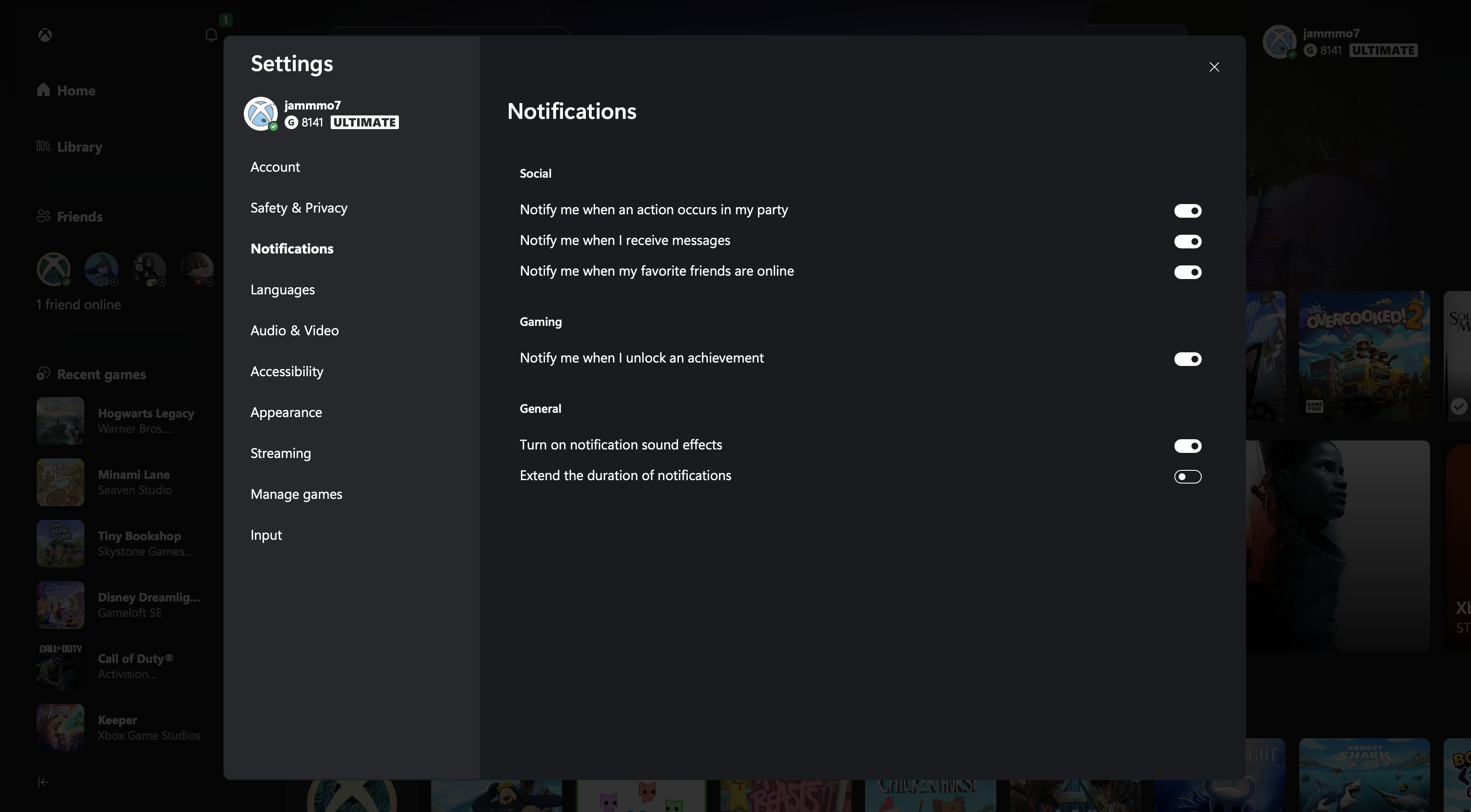
Settings: Notifications
Contributions
Experience reimagination
Reimagined the settings experience to align with an updated design system, replacing legacy patterns with consistent, reusable components and reducing one-off solutions
Layout & responsiveness
Redesigned layouts to support flexible scaling across different screen sizes and transitioned legacy layouts into responsive, full-screen experiences
Component integration
Migrated the experience to shared components, resolving gaps between product patterns and system standards while ensuring interaction consistency
Variable-Driven design
Introduced variable-based design to support theming and spacing, helping the experience adapt dynamically to different visual styles
Navigation & IA
Refined navigation patterns and simplified information architecture to improve discoverability and reduce cognitive load during complex configurations
Approach
Applied a system-first mindset by aligning all design decisions to reusable patterns. I treated components as building blocks, balancing system guidance with real product needs to create practical solutions.
By acting as a connector between design and engineering, I helped guide the transition from legacy models to a unified, scalable foundation
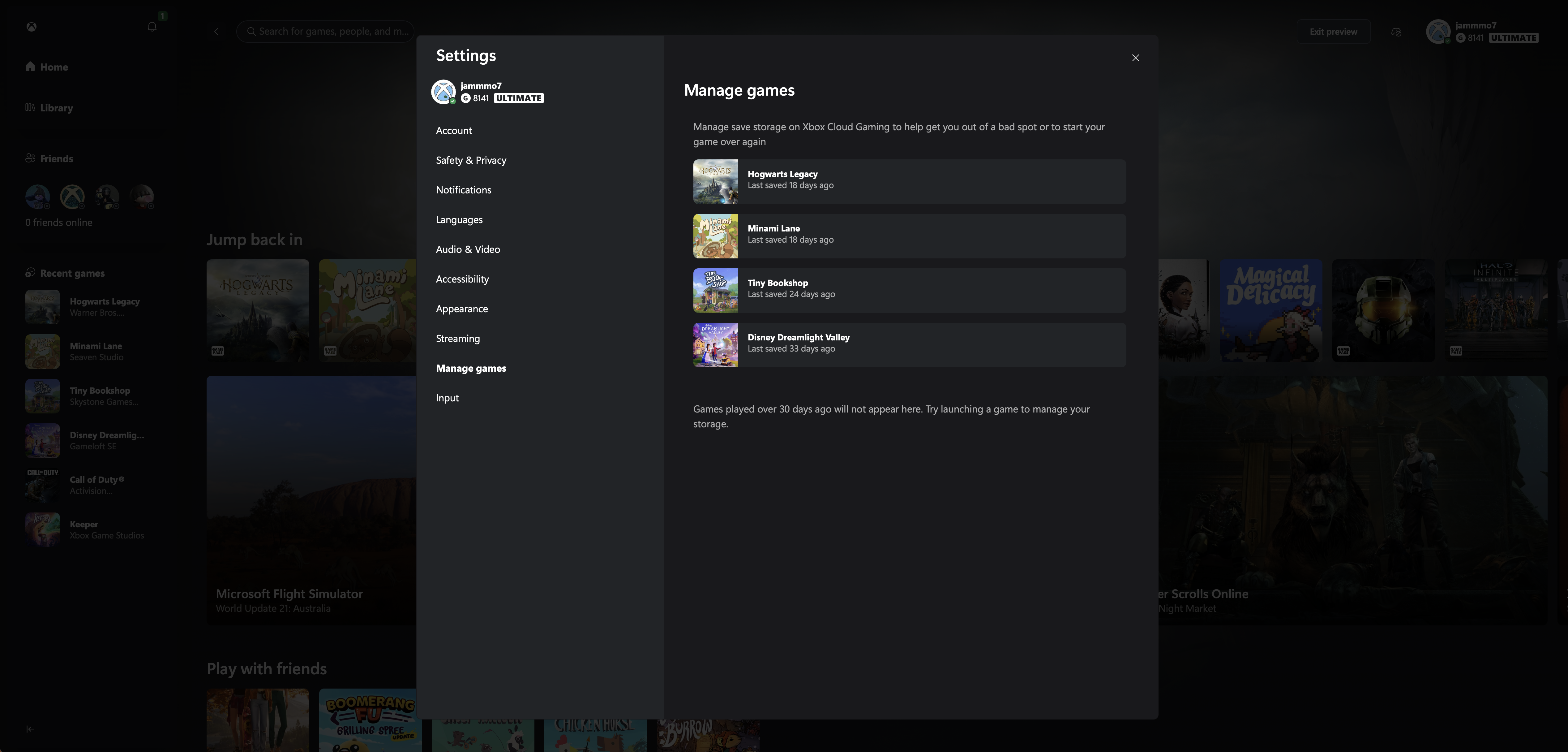
Settings: Manage games
Leadership & Influence
Cross-Team alignment
Acted as a connector across design and engineering to align on patterns, structure, and implementation of the system-driven model
Actionable guidance
Supported teams through the transition by providing clarity, direction, and actionable solutions to move the work forward
Conclusion
Systemic impact
Modernizing the settings experience improved consistency and scalability, reducing fragmentation by migrating legacy patterns to reusable components.
User experience
The introduction of variable-driven layouts and a simplified navigation structure has enhanced clarity and usability across various devices and display densities
Future growth
Ultimately, this project established a scalable foundation that empowers faster, more consistent product development moving forward